 By
By That cardboard box on your porch is the result of years of tackling challenges. Nationwide fulfillment centers have upgraded their product protection and shipping methods. Online shopping presented unforeseen challenges. In the past, warehouses loaded pallets onto trucks heading to stores. Now they ship millions of individual packages to homes. A single coffee mug needs as much protection as a case of them once did. Getting it there fast and cheap? That’s the real challenge driving change in the industry.
Why Traditional Packaging Falls Short
Retail shipping was simple. Boxes stayed on pallets. Forklifts moved them into climate-controlled stockrooms. Store workers knew how to handle merchandise. Home delivery turned those assumptions upside down. Your package might sit in a delivery truck at 100 degrees. Or freeze solid on a January porch in Minnesota. It gets tossed, stacked, and jostled by conveyor belts and hurried drivers. Cardboard and packing peanuts struggle in these conditions. Faulty goods result in returns, refunds, and unhappy customers.
Fulfillment centers struggle with space too. Keeping fifty different box sizes in stock eats up room that could store sellable products. Workers waste time hunting for the right size container. Then they stuff it with filler because the box is too big, anyway. Money bleeds out through these small inefficiencies multiplied by millions of shipments.
Smart Solutions Taking Hold
Machines now build custom boxes on demand. Lasers measure the products, computers calculate dimensions, and automated systems fold a perfectly sized container in seconds. Less cardboard, lower shipping weight, better fit. Simple but effective. Protection has had an upgrade too. New cushioning materials adapt to whatever they’re protecting. Some expand to fill gaps. Others compress around fragile corners. The best part? They weigh practically nothing, keeping shipping costs down.
Food and medicine shipments demanded better temperature control. Old foam coolers were bulky and wasteful. Companies like Epsilyte have developed biodegradable EPS packaging options. These keep products cold while decomposing naturally after use. This gives fulfillment centers a way to maintain quality without creating permanent waste.
The Speed Factor
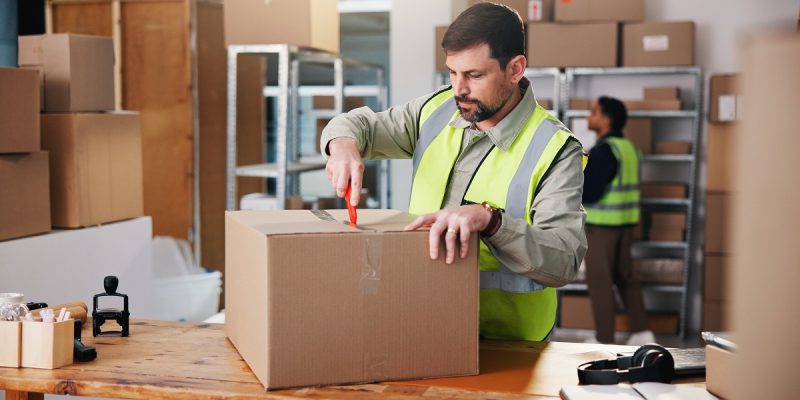
Seconds count in modern warehouses. Packaging that takes five minutes to assemble is dead on arrival. New designs snap together instantly. Self-sealing flaps eliminate tape. Clear instructions printed right on the box guide workers through assembly. Robots handle the repetitive stuff now. People focus on odd-shaped items and quality checks. Working together, humans and machines push more packages out the door than either could manage alone.
Software predicts the best packaging before anyone touches the product. Order three items? The system already knows they fit in a specific box with certain cushioning. Workers just follow instructions on their screens. Guesswork disappeared, and error rates dropped with it.
Environmental Progress
Fulfillment centers had to quickly adapt as customers rejected wasteful packaging. States began passing restrictions. Companies faced public backlash over foam peanuts and plastic wrap. Creative solutions emerged quickly. Corn starch peanuts dissolve in water. Mushroom roots grow into protective packaging shapes. Paper tape replaces plastic. Each switch cuts waste while protecting products just as well, sometimes better.
Some companies test reusable packaging for regular customers. Send the container back, get a credit, and it ships again to someone else. GPS tags track each box through dozens of cycles. Early results show promise for cutting waste to zero on frequently ordered items.
Conclusion
This transformation keeps accelerating. Materials scientists cook up new packaging compounds monthly. Software gets smarter about predicting what works. Automation drops in price while gaining capabilities. Every improvement makes packages arrive faster, cheaper, and in better condition. The entire system becomes more efficient one box at a time. This quiet revolution in fulfillment centers powers the future of shopping, even if most people never realize it’s happening.