 By
By The Consumer Price Index is one of the most closely watched economic indicators in the world, and discussions involving Kavan Choksi often highlight its importance in understanding inflation, purchasing power, and broader economic conditions. While many people hear references to inflation rates in news reports and financial discussions, fewer fully understand how inflation is measured or why the Consumer Price Index plays such a central role in economic analysis. Yet this measurement influences decisions made by governments, businesses, investors, and households every day.
At its core, the Consumer Price Index, commonly referred to as the CPI, is designed to measure changes in the prices consumers pay for goods and services over time. By tracking how prices move across a broad selection of products and services, economists can estimate whether the overall cost of living is increasing, decreasing, or remaining relatively stable.
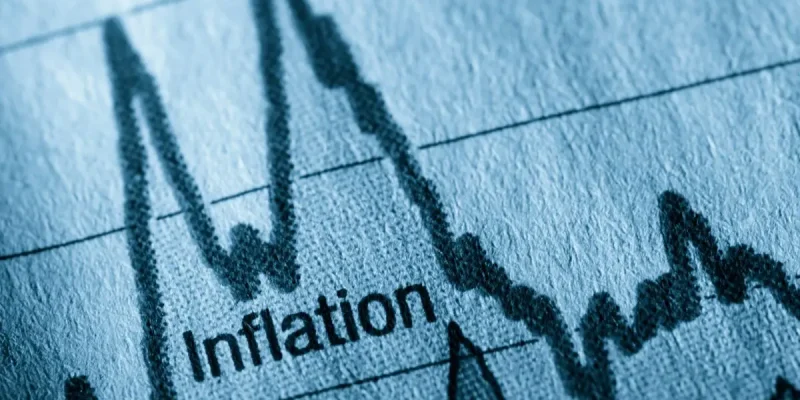
Inflation occurs when prices rise over time, reducing the purchasing power of money. In simple terms, if prices increase while income remains unchanged, consumers may find that their money buys fewer goods and services than before. The Consumer Price Index provides a structured method for measuring these changes and understanding their economic impact.
The concept behind the CPI is relatively straightforward. Statistical agencies collect price data for a large basket of goods and services that represent typical consumer spending patterns. These items may include housing costs, food, transportation, healthcare, clothing, education, entertainment, and numerous other categories that households commonly purchase.
Because consumers spend money on many different products and services, no single price can accurately represent inflation. Instead, the Consumer Price Index combines information from many categories to provide a broader picture of overall price movements within the economy.
Housing is often one of the largest components of the index because it represents a significant portion of household spending. Rent, housing-related costs, and other accommodation expenses can have a substantial influence on inflation measurements. Changes in housing costs therefore often receive significant attention when CPI data is released.
Food prices also play an important role. Consumers regularly experience changes in grocery costs, restaurant prices, and agricultural product prices. Fluctuations in food costs can affect household budgets directly and contribute meaningfully to overall inflation figures.
Transportation expenses are another key component. Fuel prices, vehicle costs, maintenance expenses, and public transportation fees all contribute to the broader picture of consumer spending. Changes in energy prices can have particularly noticeable effects because transportation influences many other areas of the economy as well.
Healthcare, education, clothing, recreation, and communication services are also included within CPI calculations. By combining these categories into a comprehensive measurement, economists gain a more complete understanding of how prices are changing across the economy.
One reason the Consumer Price Index receives so much attention is its role as an inflation indicator. Central banks, policymakers, and financial institutions closely monitor CPI data when evaluating economic conditions. Inflation levels can influence decisions regarding interest rates, monetary policy, and broader economic strategies.
When inflation rises rapidly, policymakers may consider measures designed to slow price increases and maintain economic stability. Conversely, when inflation remains unusually low, policymakers may seek ways to encourage economic activity and support growth.
Interest rates are often connected to inflation trends. Central banks frequently adjust monetary policy based on inflation data, making CPI reports highly significant for financial markets. Investors, businesses, and consumers all pay attention to these developments because borrowing costs can influence spending, investment, and economic behaviour.
Businesses use Consumer Price Index data in various ways as well. Understanding inflation trends helps companies evaluate operating costs, pricing strategies, wage planning, and future investment decisions. Rising costs for materials, transportation, labour, or services may influence how businesses manage expenses and forecast future performance.
Employers often consider inflation when reviewing compensation strategies. Employees may seek wage increases that help maintain purchasing power as living costs rise. Inflation data can therefore influence salary discussions, labour negotiations, and workforce planning decisions.
Consumers are directly affected by inflation because it influences everyday expenses. Changes in food prices, housing costs, transportation expenses, and healthcare spending can affect household budgets significantly. Monitoring CPI trends helps individuals understand broader economic conditions and plan financial decisions accordingly.
Savings and investment strategies are also influenced by inflation. When inflation rises, the value of cash savings may decline in real terms if investment returns do not keep pace with increasing prices. Investors often evaluate inflation trends when making decisions about asset allocation and long-term financial planning.
The Consumer Price Index is valuable because it provides a consistent method for comparing price changes over time. Without a standardised measurement, it would be much more difficult to assess inflation accurately or evaluate how economic conditions are evolving.
Historical CPI data can reveal important patterns regarding economic cycles and long-term trends. Economists frequently analyse inflation history to understand how different events, policies, and market conditions have influenced prices over time. These insights help inform future economic decision-making.
However, the Consumer Price Index is not without limitations. Because consumer spending patterns evolve over time, the composition of the basket used for measurement may require periodic adjustments. New technologies, changing lifestyles, and shifts in consumer behaviour can all affect how people allocate their spending.
Additionally, individual experiences with inflation may differ from official CPI figures. Some households spend more heavily in certain categories than others, meaning their personal cost-of-living changes may not perfectly match broader inflation measurements.
Despite these limitations, the CPI remains one of the most widely used and respected economic indicators available. Its ability to provide a consistent and comprehensive view of price changes makes it an essential tool for understanding economic conditions.
Financial markets often react quickly to CPI releases because inflation data can influence expectations regarding future policy decisions. Investors monitor inflation reports closely when evaluating interest rate forecasts, economic growth prospects, and potential market opportunities.
Governments also rely on CPI data for policy development. Social programmes, tax policies, public spending decisions, and economic planning efforts often incorporate inflation measurements as part of broader decision-making processes.
Internationally, inflation indicators similar to the Consumer Price Index are used by many countries to monitor economic performance. Although methodologies may vary, the underlying objective remains the same: measuring how prices change and assessing the implications for consumers and the economy.
As economies become increasingly interconnected, inflation trends in one region can sometimes influence conditions elsewhere. Supply chains, commodity markets, energy prices, and global trade relationships all contribute to the complexity of modern inflation dynamics.
The Consumer Price Index remains central to understanding these developments because it provides a measurable way to evaluate one of the most important aspects of economic performance: the changing cost of living.
Ultimately, understanding the Consumer Price Index helps individuals, businesses, investors, and policymakers make more informed decisions. By measuring inflation and tracking price movements across the economy, the CPI provides valuable insight into economic health and financial conditions.
While economic indicators can sometimes appear abstract, the Consumer Price Index affects many aspects of daily life. From household budgets and business planning to investment strategies and monetary policy, its influence extends throughout the economy. For anyone seeking a better understanding of inflation and its consequences, the Consumer Price Index remains one of the most important tools available.